
Non-fiction illustration
Kati is a freelance illustrator inspired by ‘people and places’. As a result her work suits non-fiction illustration well. She crafts engaging, informative illustrations for a variety of clients, including educational institutions, museums, publishers, heritage sites, and other organizations looking to enrich their storytelling through visuals.
What is non-fiction illustration?
Non-fiction illustration combines visually appealing, stylised graphics with a clear intent to convey factual information, making complex subjects more accessible and enjoyable. These illustrations range from detailed, informative images to creative, story-driven designs that help convey the subject’s unique character. In short, non-fiction illustrations can elevate learning and engagement.
These illustrations can be created by hand or digitally, offering flexibility for various purposes. They are widely used in contexts such as exhibitions, educational books, informational panels, and interpretation boards. Whether the project demands clarity or an added element of visual storytelling, non-fiction illustrations bring a welcoming, relatable touch to factual content.
Custom non-fiction illustration services
As you may be aware, illustrators work in their own unique styles. My illustration style has been described as delicate, witty and insightful, which I wilfully adapt to meet different needs. Whether you need visuals for a school textbook, a museum exhibit, or a community outreach project, I can tailor my illustrations to capture your audience’s interest.
Illustrations can be a powerful tool to educate, spark curiosity, and even serve as unique brand assets. Take a look at some of the diverse projects I’ve been involved with.
Architectural or site cutaways
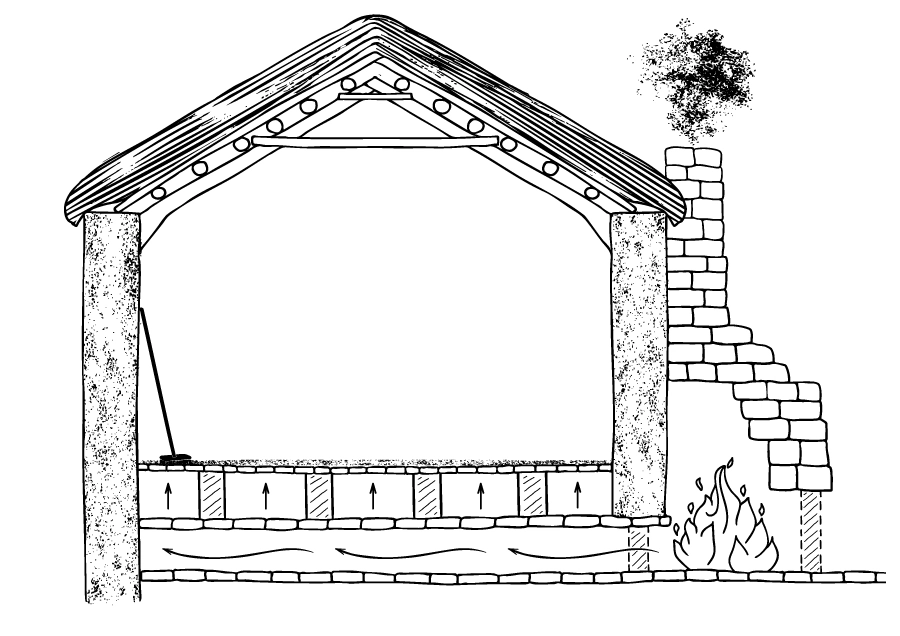
A cross-section of a building can present how something works, bringing clarity to accompanying text.
Non-fiction book illustrations
Wildlife and botanical illustrations
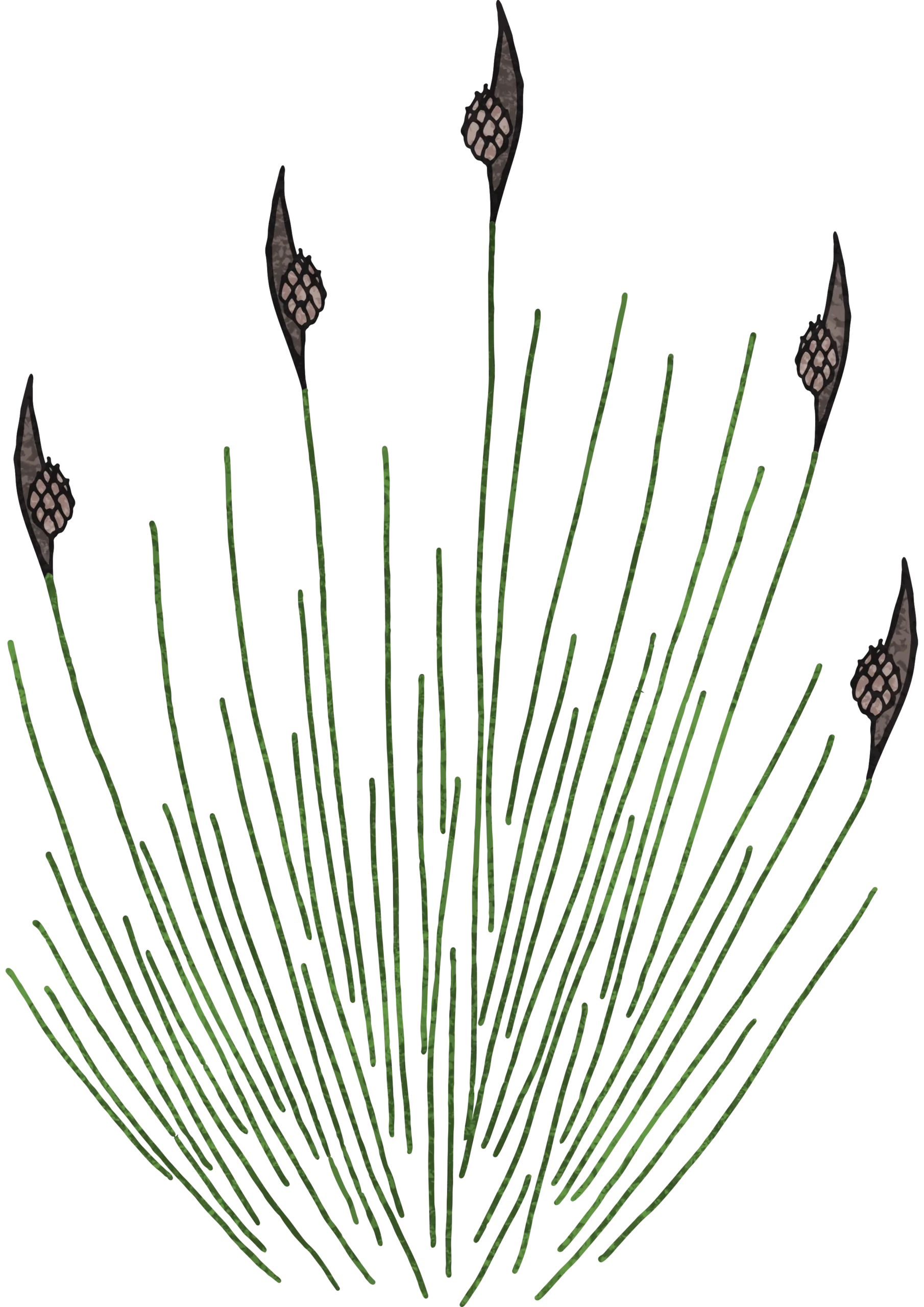
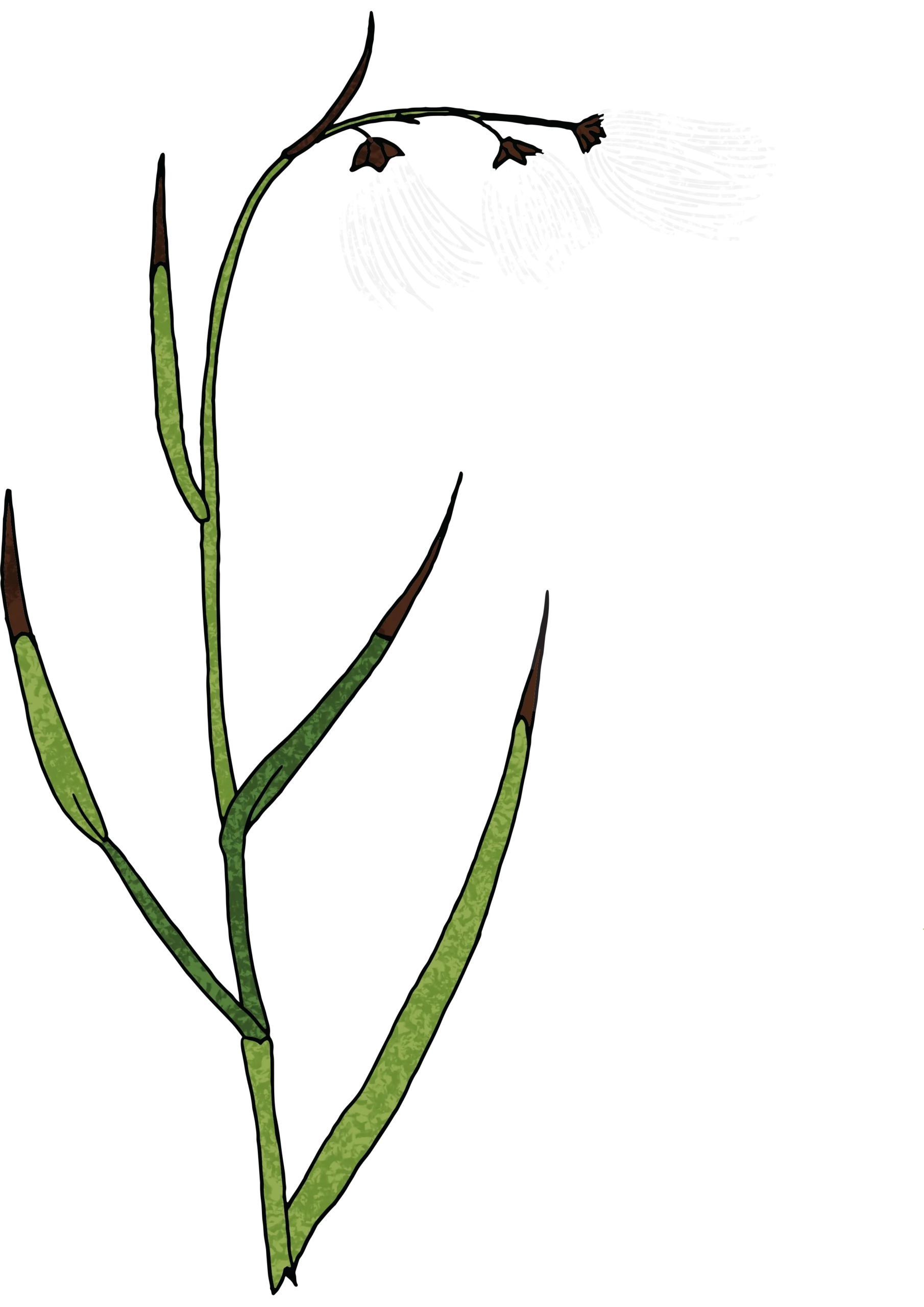
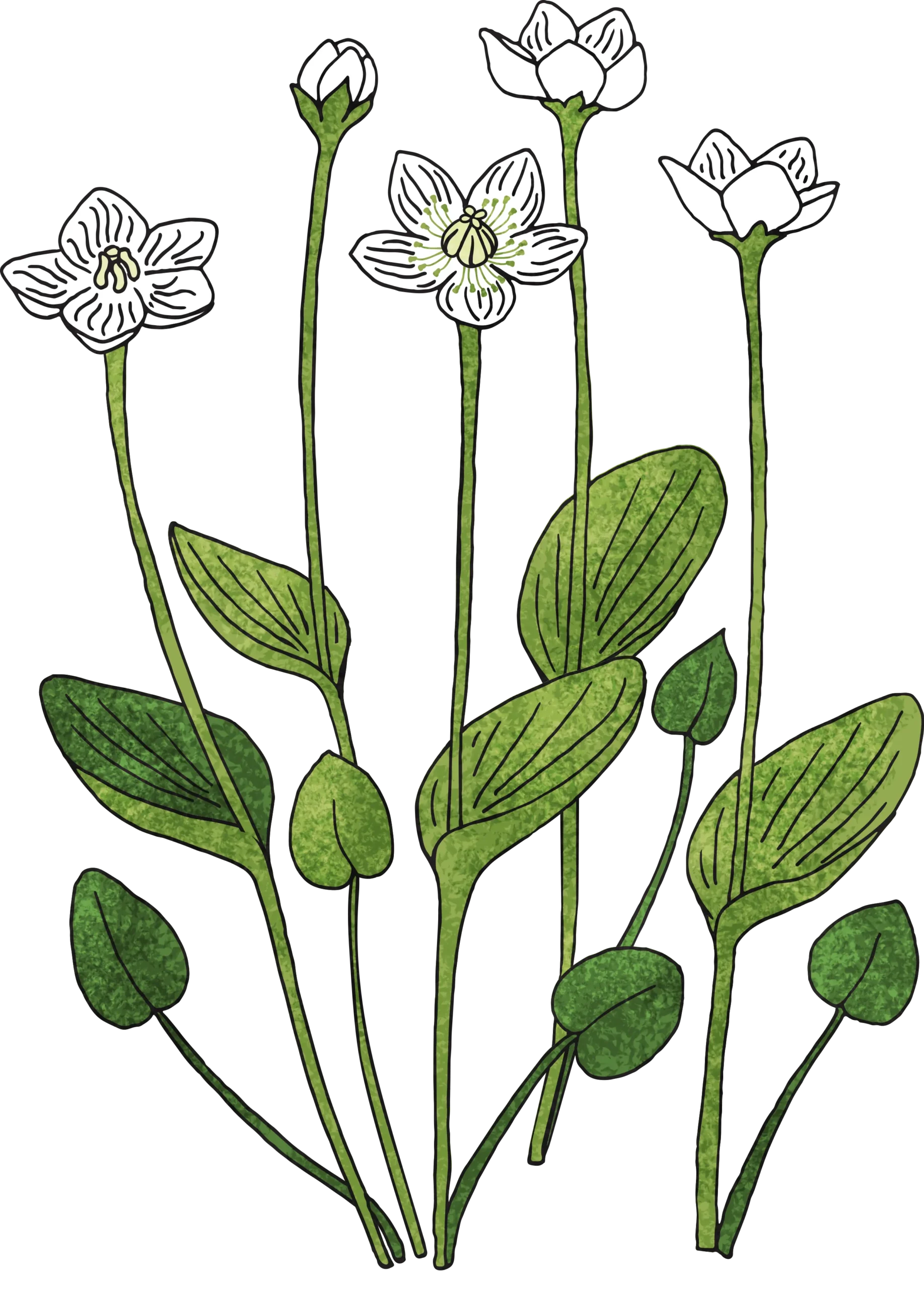
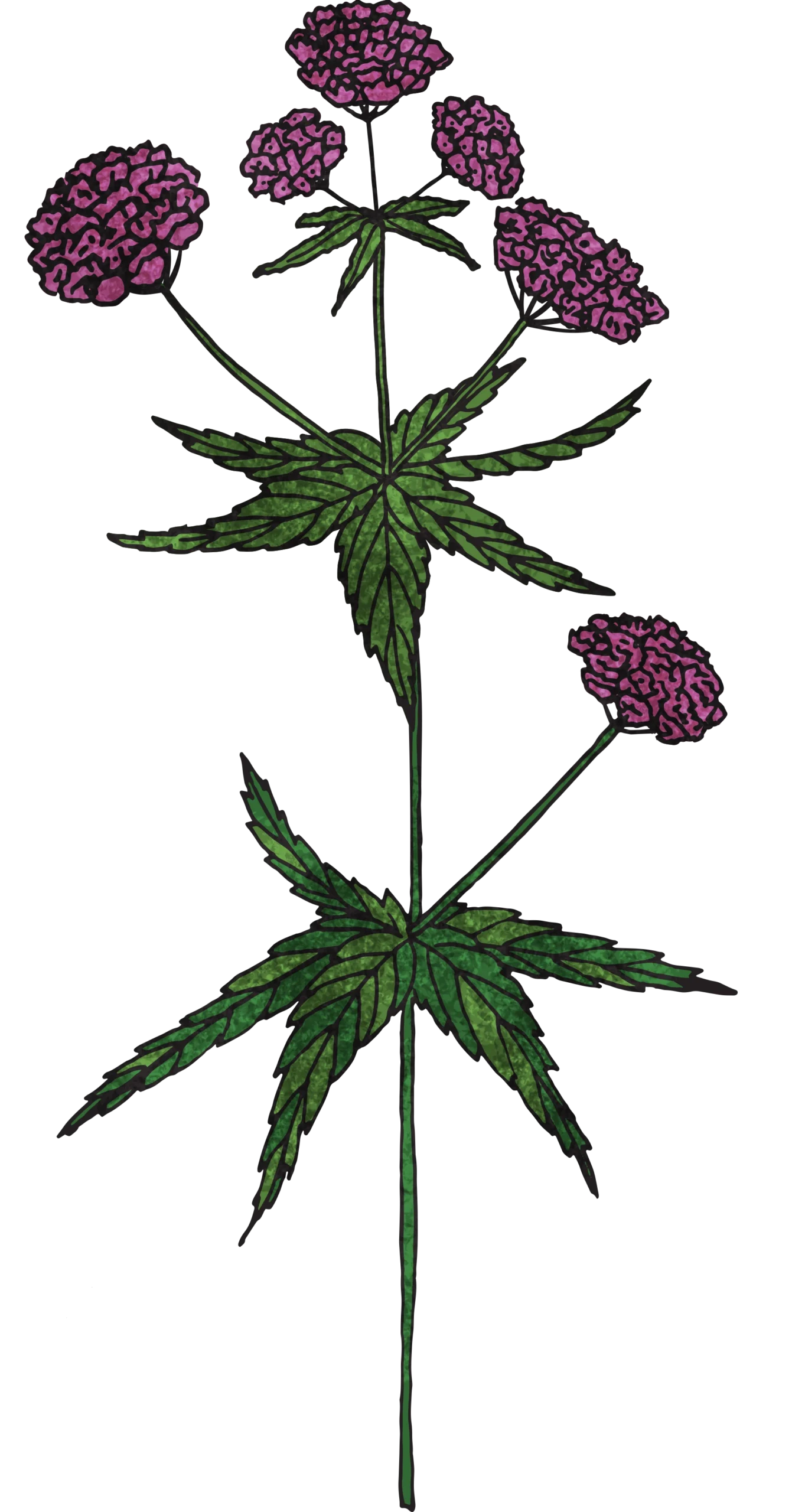
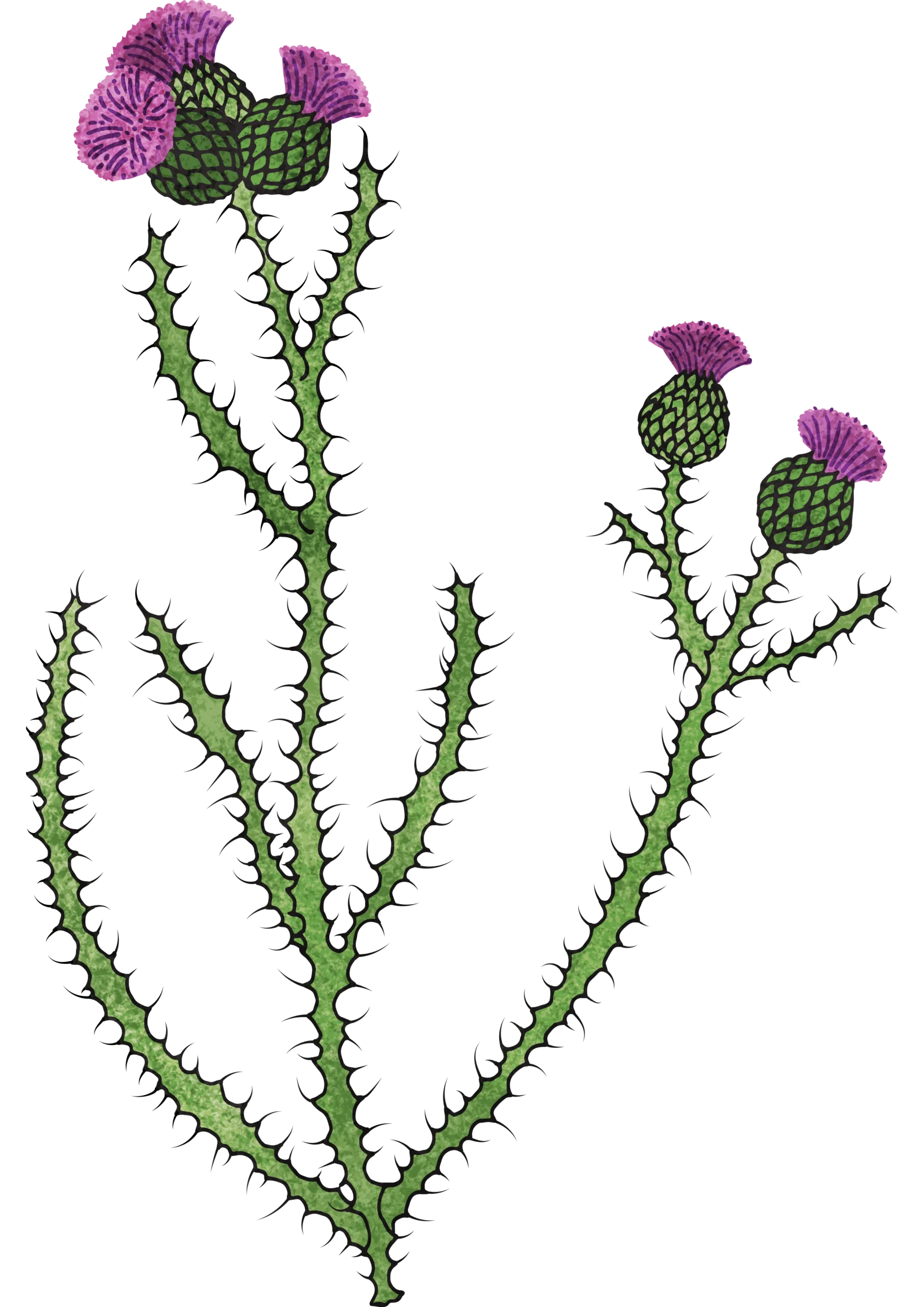
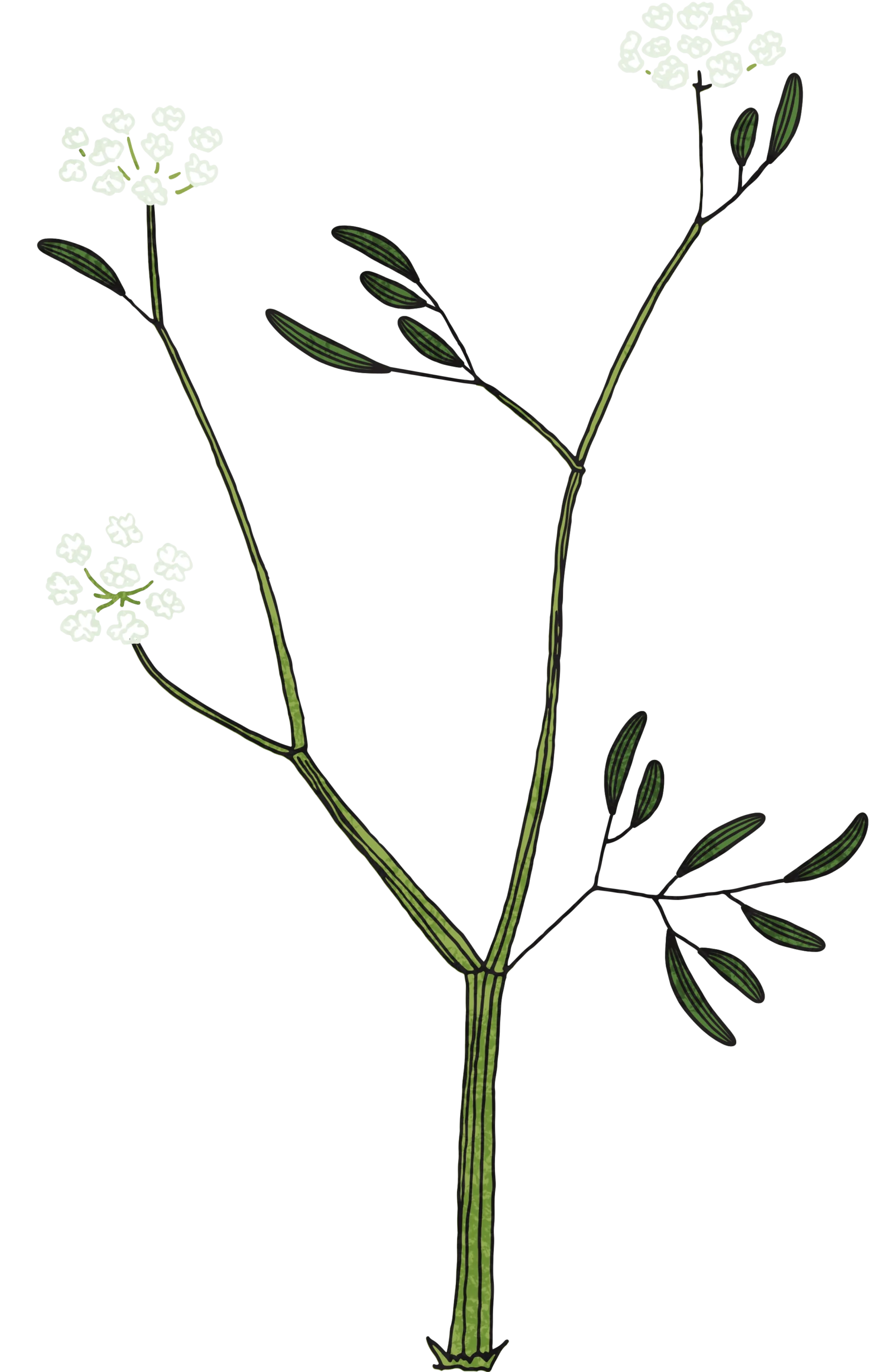
Botanical illustrations bring character to plant subjects, combining scientific accuracy with artistic appeal. They can be used to interpret historic gardens, highlight native species, or accompany educational materials.
Educational Diagrams

Illustrated visuals that explain complex ideas or processes, often used in textbooks and learning materials for topics like geography or biology.
Non-fiction animations
Historical objects

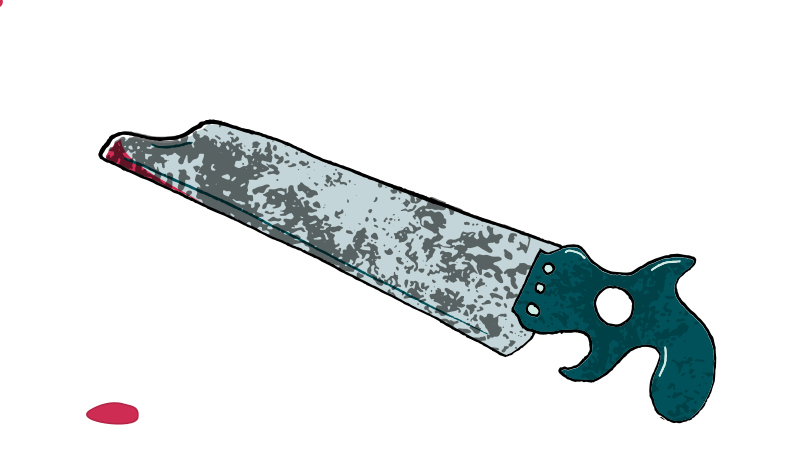
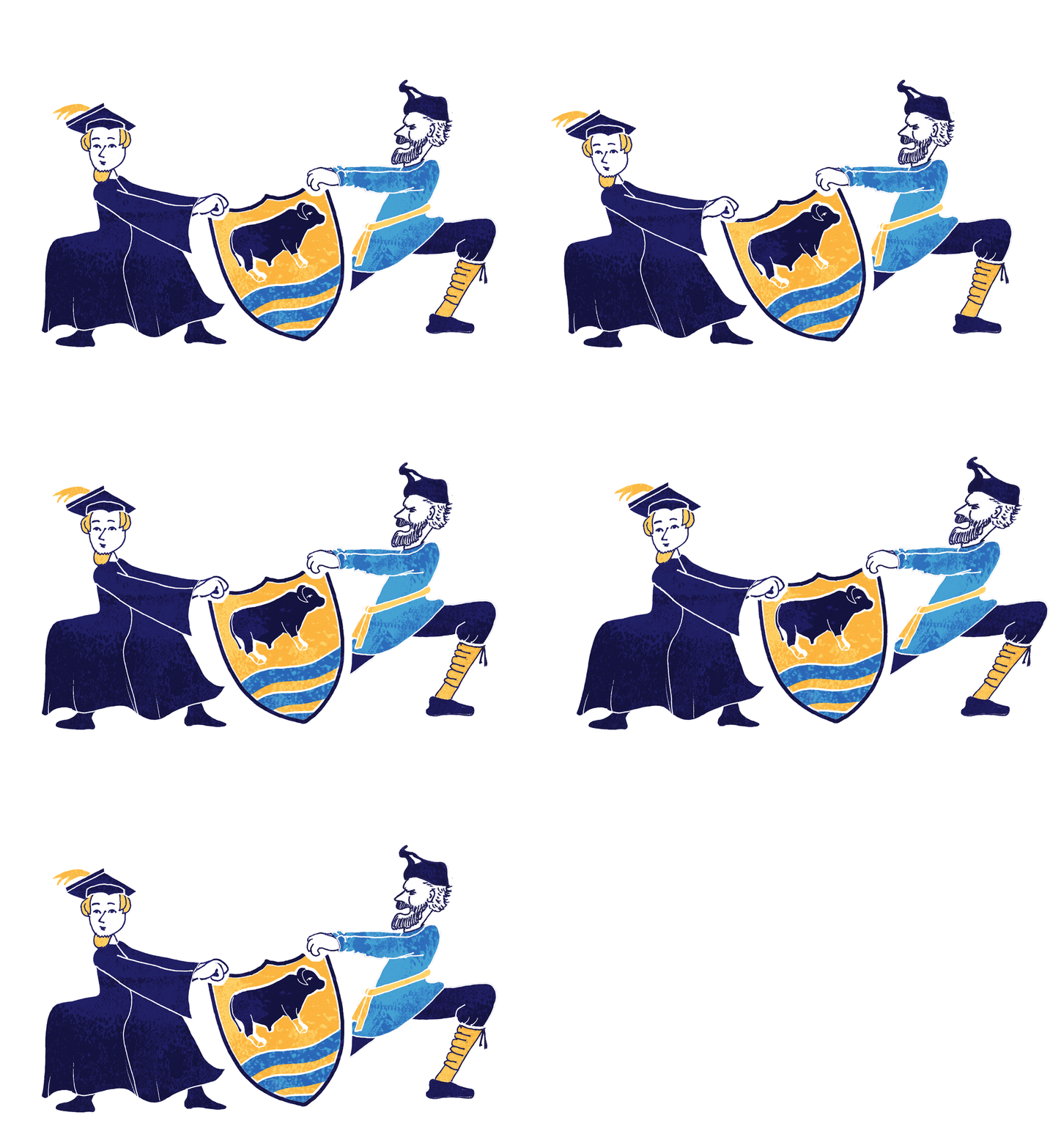
Depictions of objects from the past based on historical records or research, often used in museums, history books, and documentaries.
Activity illustrations


Illustrations of key figures, whether famous or or fictional, used in biographies or narrative non-fiction to give readers a visual sense of the person being discussed.
Characters
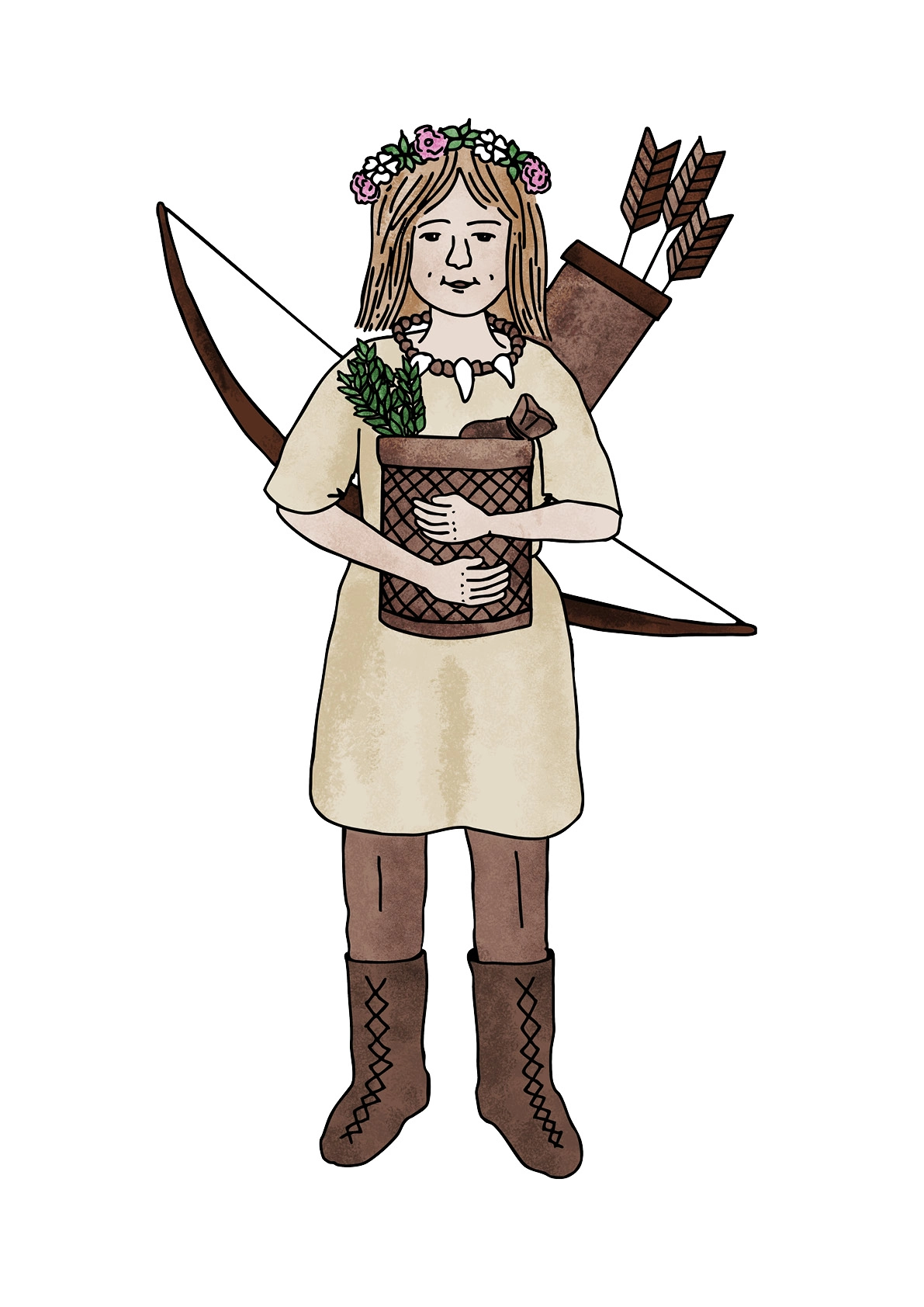
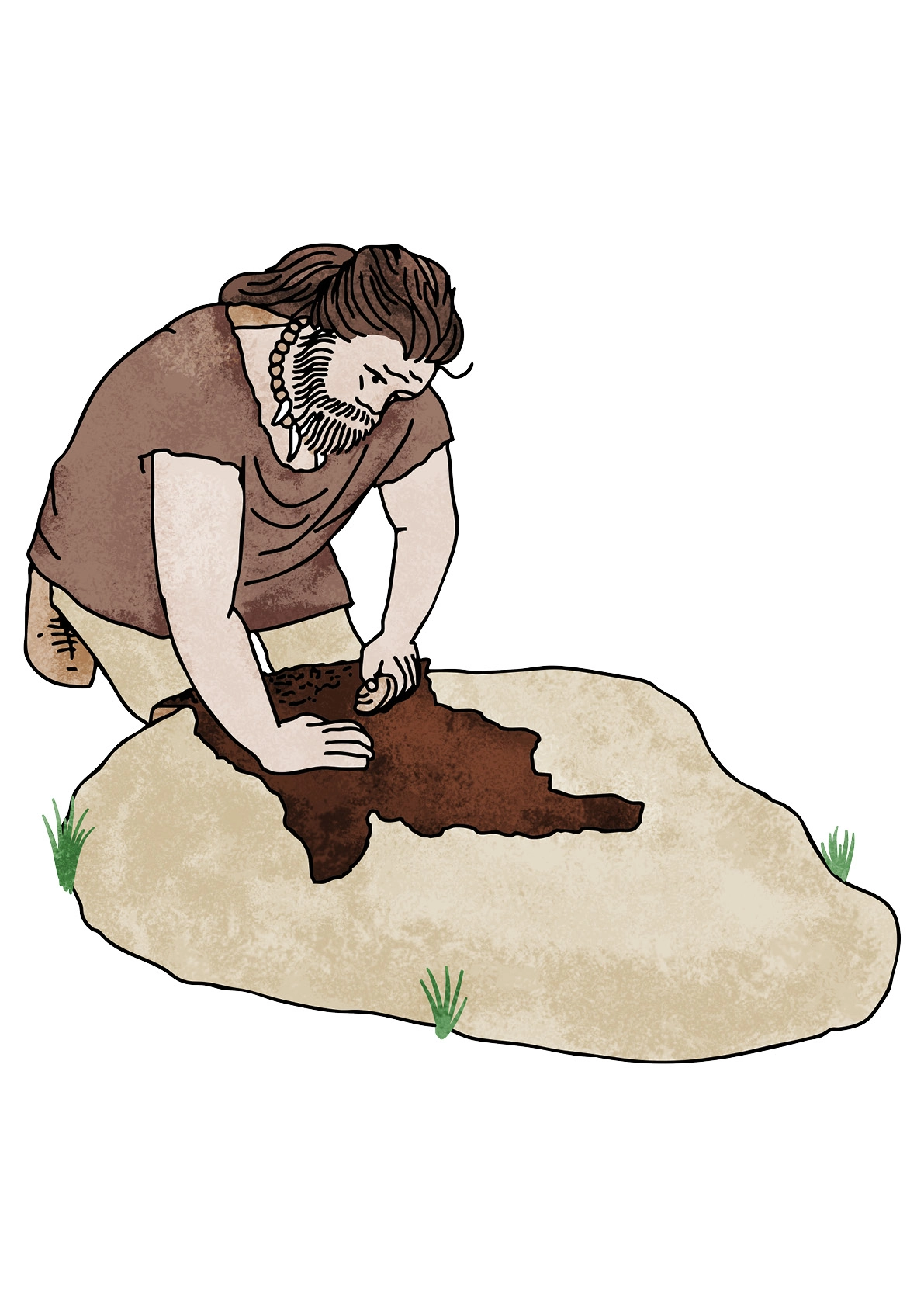
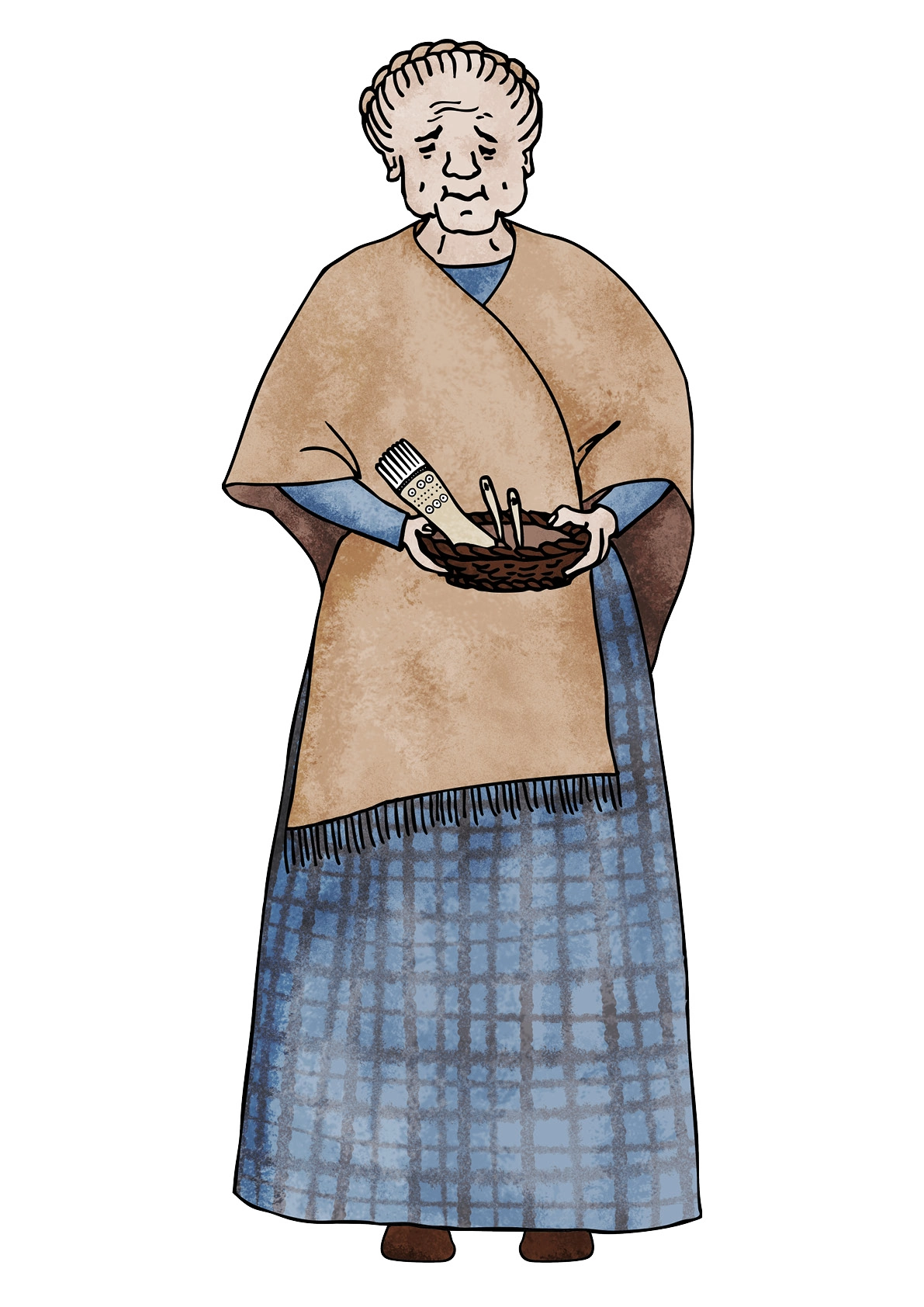
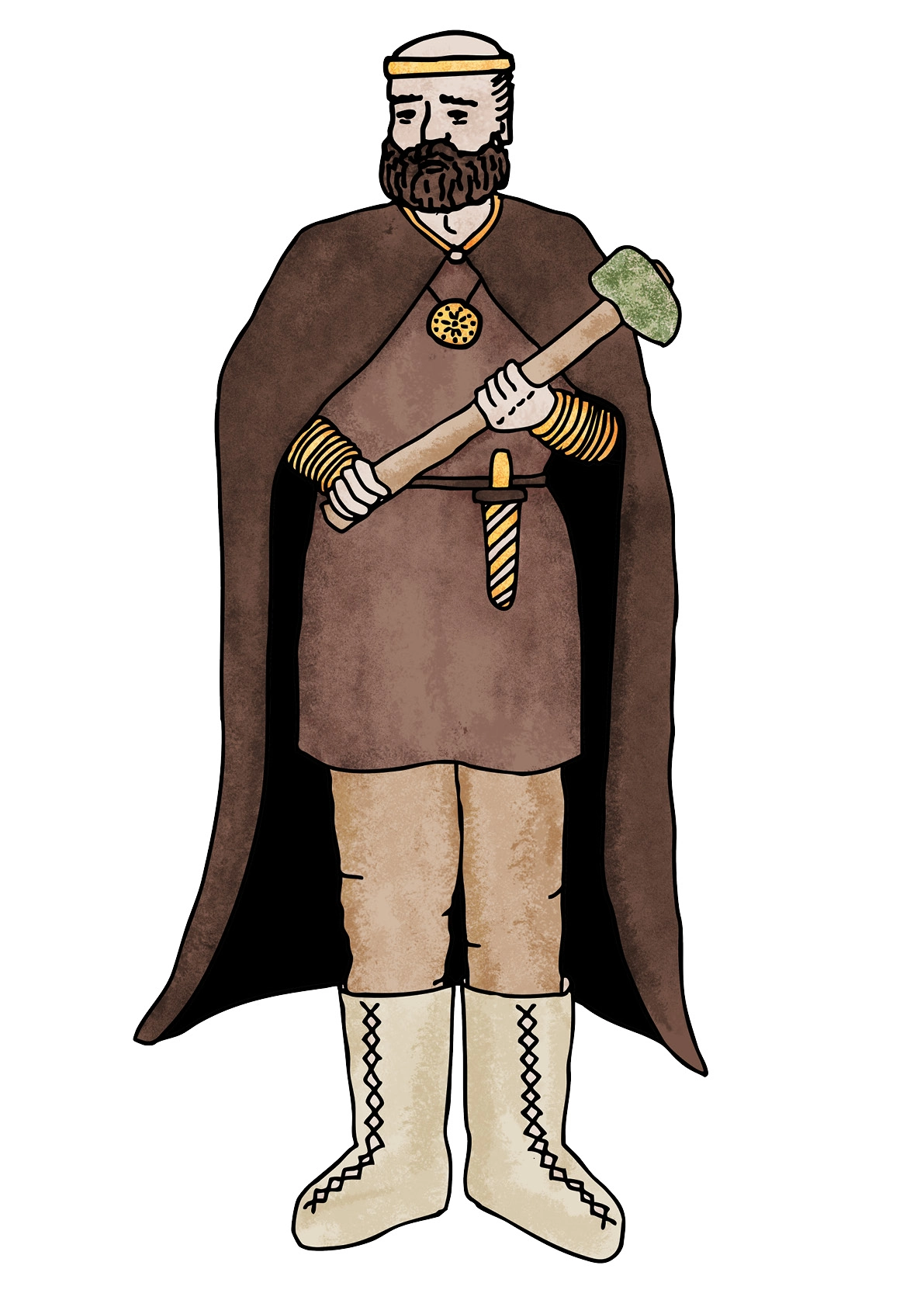
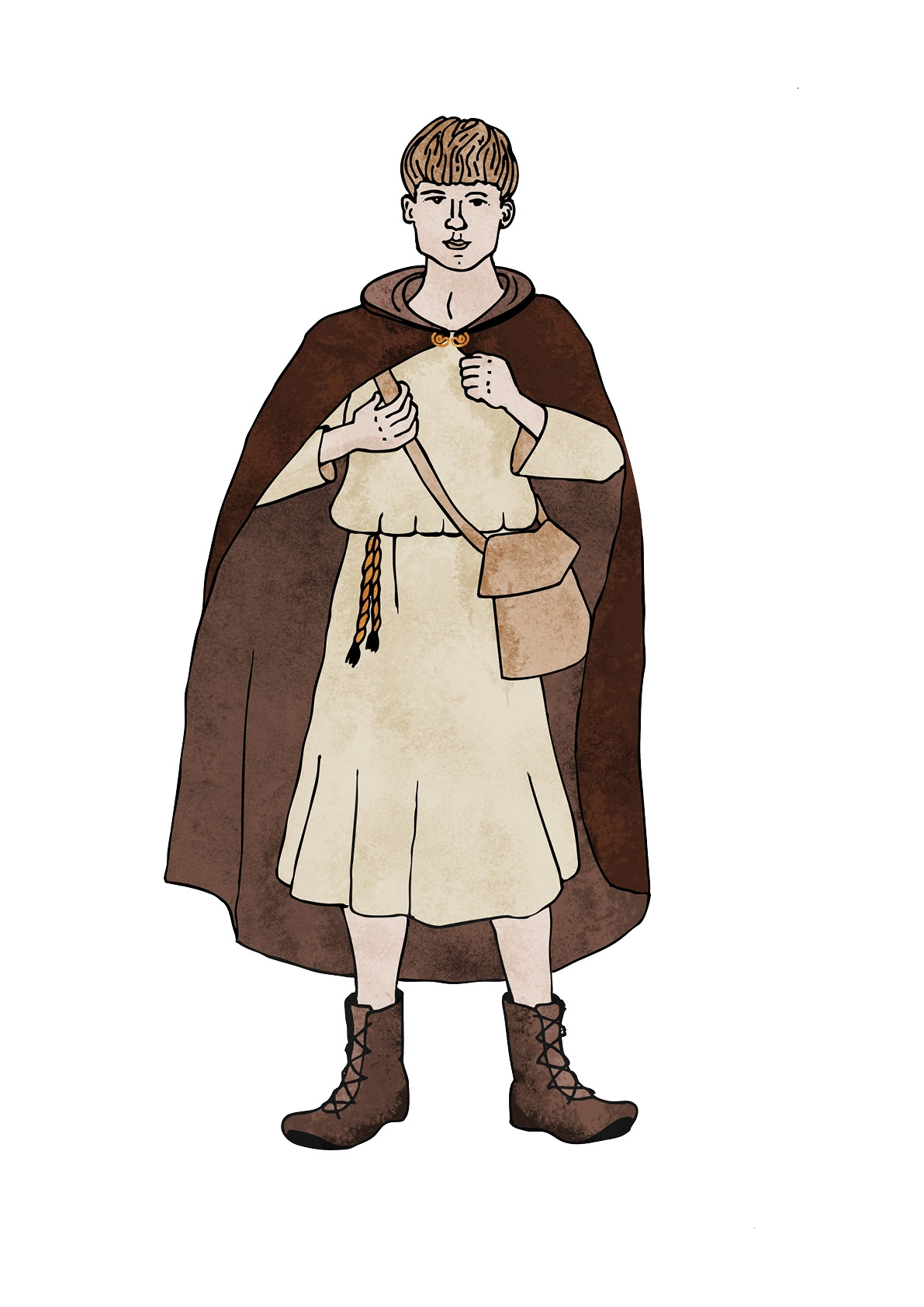
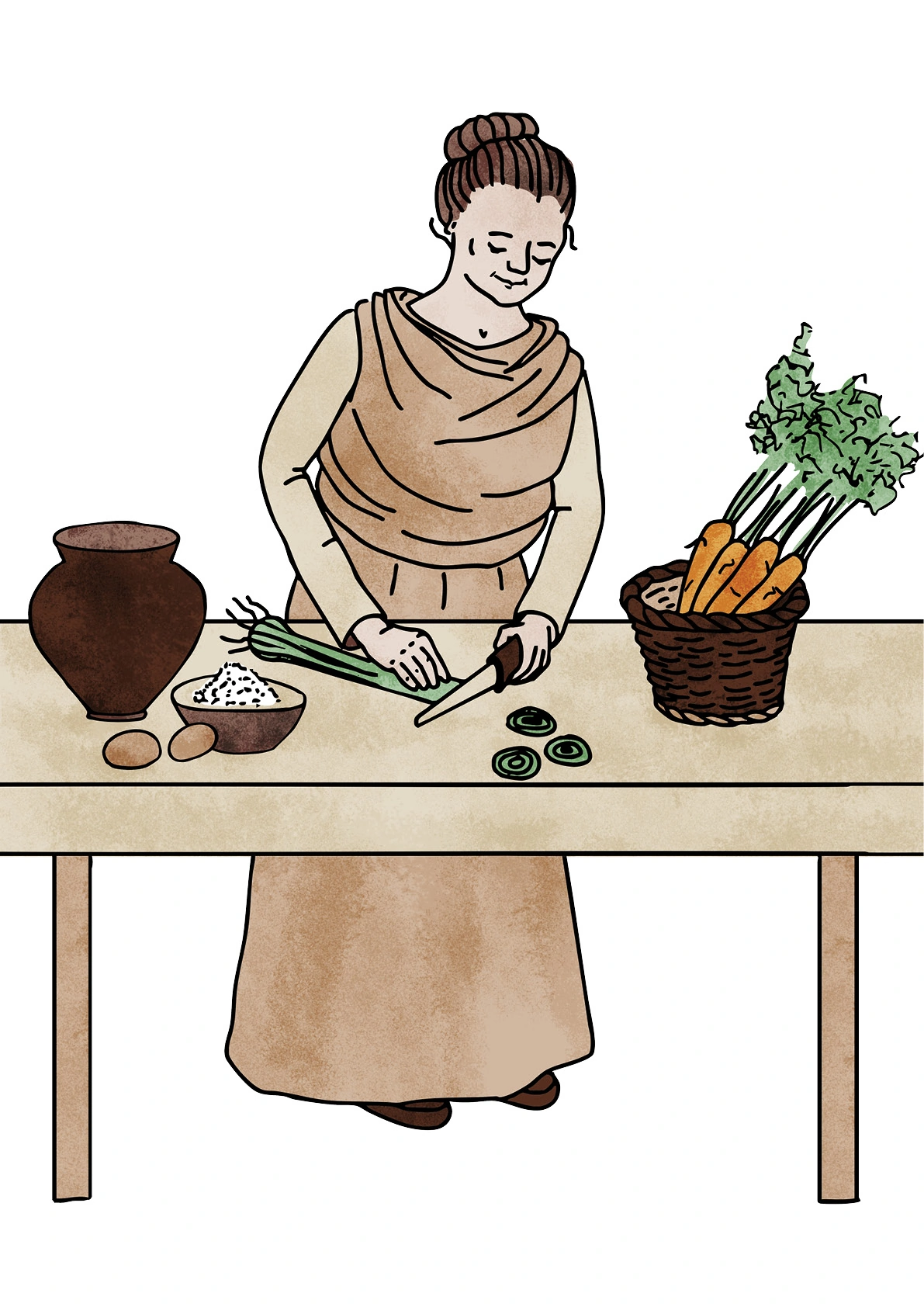
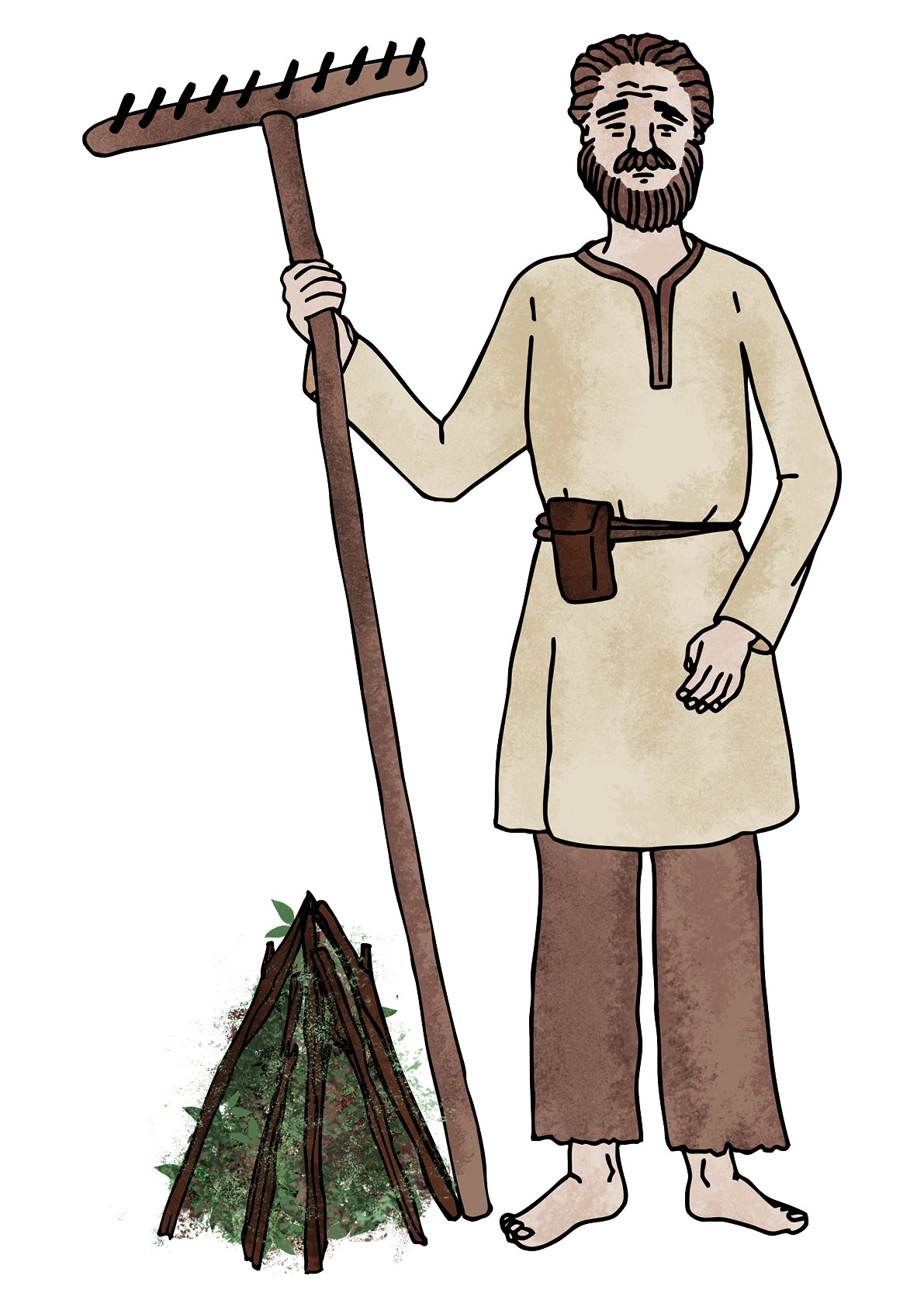
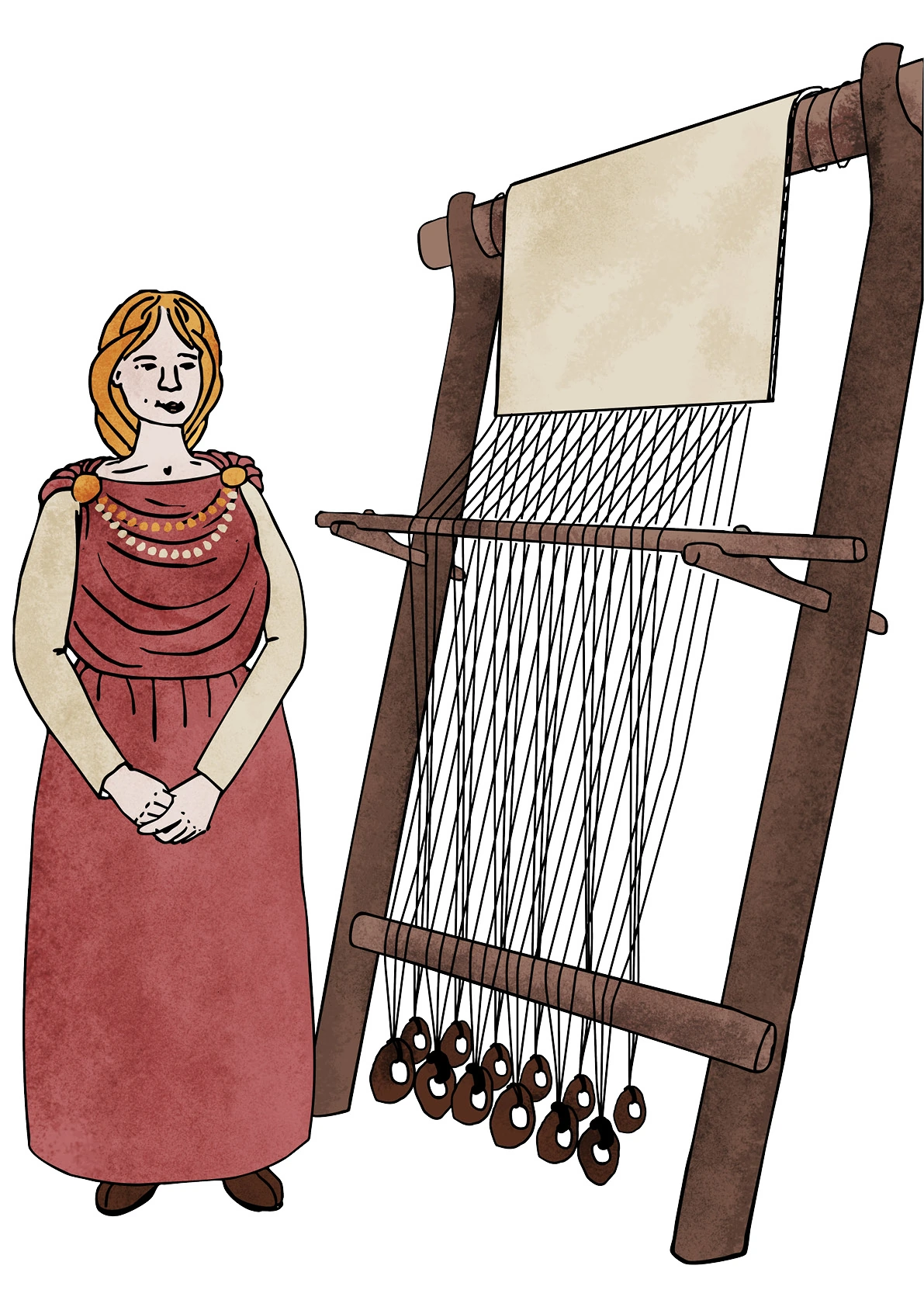
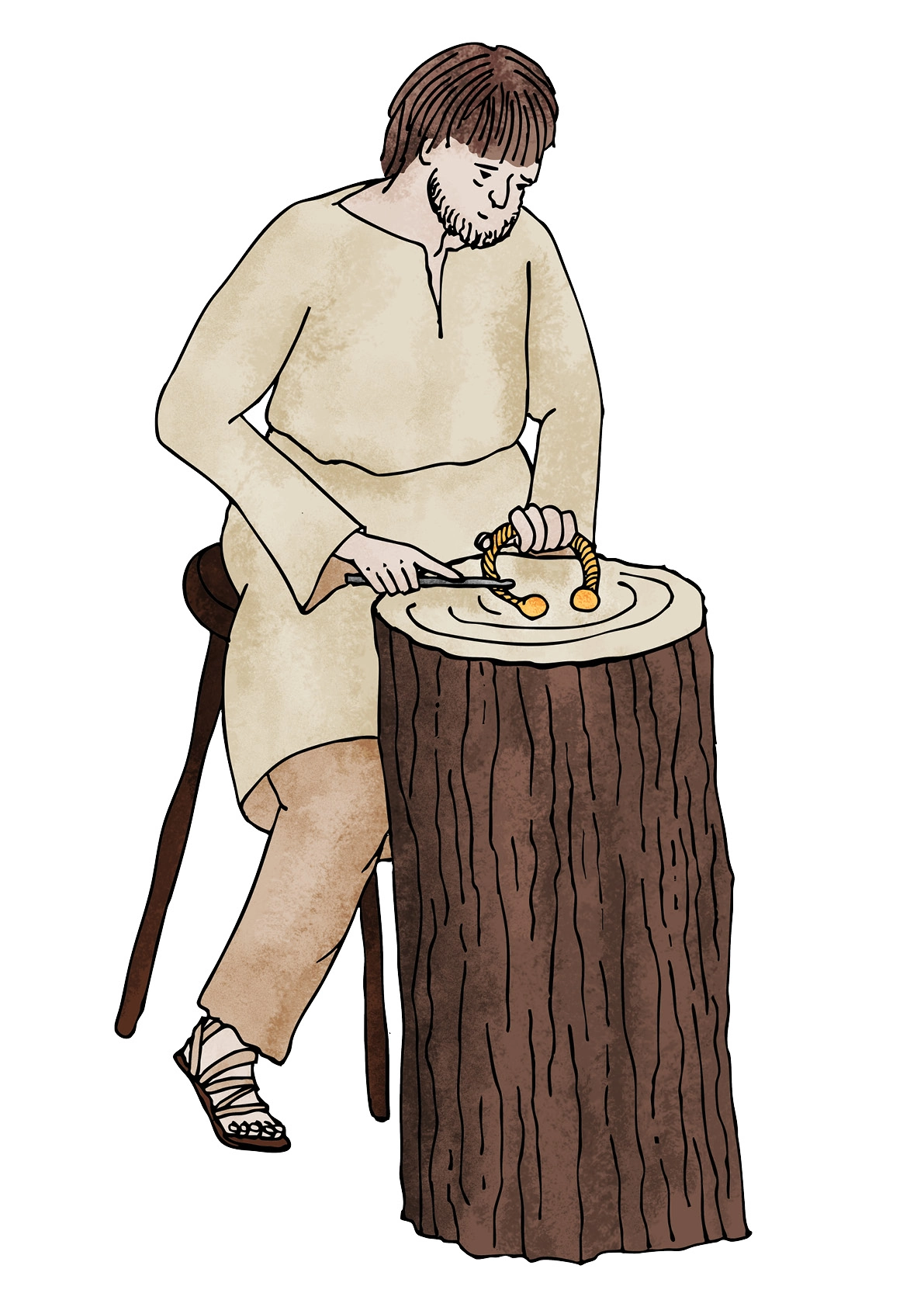
Illustrated characters are a visually engaging way of communicating with your target audience. The subtlety of colour, pose, texture and detail all create an opportunity to bring your characters to life and paint a scene.
Map Illustrations
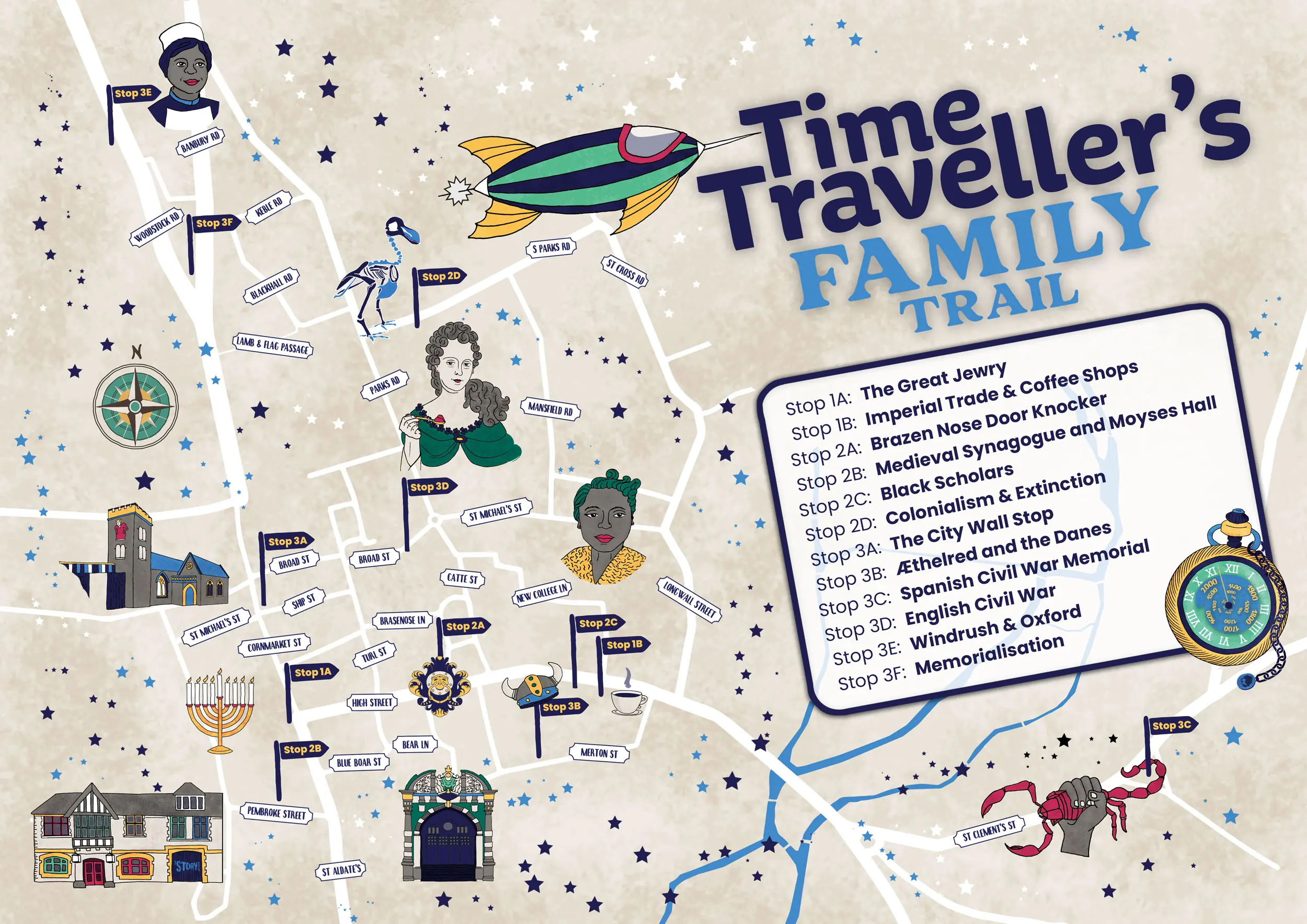
Visual representations of geographical areas, often included in travel, history, or cultural books to provide context and enhance understanding of locations.
Portraits of historical figures


Portraits of historical figures help bring the past to life, giving a face to stories, research, and interpretation. They can be based on written accounts, period artworks, or archaeological evidence to create a believable likeness. Whether for museums, publications, or educational projects, these portraits offer a human connection to history.
My illustration process in a nutshell
Research & discovery
Initial discussions explore your objectives, audience and key messages. Background reading and visual research ensure a thorough understanding of the wider context, the theme and the layers of interpretation that needs to appear in the illustration.
Concept development and layout
Sketches and rough compositions are developed to agree direction, tone and structure before the creation of the final artwork begins. The roughs are always pencil drawings and the main aim of this phase is to agree on the ideas and if applicable, the composition.
Final artwork & design
Once approval, illustrations are completed. Depending on the feedback, the line drawings are sometimes shared before applying colour and textures but usually this is not necessary.
Finishing touches and application
The illustrations are integrated into the required formats – whether panels, maps, publications or promotional materials -, finalised and shared for approval.
File delivery
Final assets are prepared for print or digital use, ensuring technical accuracy and ease of implementation.
FAQs
How does non-fiction illustration differ from other types of illustration?
Non-fiction illustrations are designed to communicate factual information clearly and effectively. As such, they focus on real-world subjects, helping to explain complex ideas, locations, and historical details in a way that is accessible and engaging.
What types of projects can benefit from non-fiction illustrations?
Non-fiction illustrations are versatile and can be used in a wide range of projects, including educational books, museum exhibits, interpretation boards, informational panels, infographics, and even branding for social enterprises. They add depth and clarity, making the information more appealing and easier to understand.
Are non-fiction illustrations always digitally created?
That really depends on the process of the illustrator that you hire. Non-fiction illustrations can be created either by hand or digitally, depending on the project’s needs and the aesthetic. My process starts with a pencil sketch but ends up being a digital illustration in the end.
How do you ensure accuracy in your illustrations?
Accuracy is key to non-fiction illustration, especially when depicting historical objects, geographical locations, or scientific processes. I carry out thorough research and work closely with clients to ensure each illustration faithfully represents the subject matter while still being engaging and visually pleasing.
Can you create illustrations to fit a specific brand style?
Yes, I can adapt my illustration style to align with specific brand aesthetics or themes. This ensures the illustrations not only convey accurate information but also harmonize with your project’s overall design.
What if my project requires multiple types of illustrations, like maps and character depictions?
I’m experienced in creating a variety of non-fiction illustrations, from maps to characters and infographics. I can work with you to develop a cohesive visual style across all illustrations, creating a unified look that meets the diverse needs of your project.
How long does it typically take to complete a non-fiction illustration project?
The timeline can vary based on the project’s scope, complexity, and number of illustrations required. Once we discuss the details of your project, I can provide an estimated timeline including expected feedback dates to stay on track and keep you updated throughout the process.
What is the process for commissioning an illustration?
The process usually starts with a conversation where we discuss your needs, style preferences, and objectives. I then send you a proposal. Upon the approval of the proposal, I make a start on the initial concepts, refine them based on your feedback, and work toward finalizing illustrations. I talk about this process in more detail in my proposal.
What others have to say

“Kati has been a pleasure to work with. Her dedication to the project has been consistent from the first minute to the last. She captured perfectly what the Old Fire Station stands for through her extensive research, unique way of seeing, beautiful colour palette and dreamy characters. We are overjoyed with the result!”
Justine Malone
Arts at the Old Fire Station, Oxford
"It was not an easy brief but Kati interpreted the complex theme to present it in a way that was accessible and identifiable to a broad audience, which demonstrated a deep understanding of both design principles and the subject matter. Kati’s creative vision and attention to detail brought the theme to life in a way that was both engaging and informative. The design elements were not only visually impressive but also served to enhance the overall narrative. The use of colour and typography has really helped us to create an identity throughout the site and adapt the theme to different seasons, moreover the design combined artistic creativity with practical functionality. We wouldn’t hesitate to work with Kati again. Thank you."
Emma Emerson
Hughenden Manor, National Trust
“The illustrations and site-map that Kati has created for Kelmscott Manor are really very successful and everyone associated with the National Lottery Heritage Fund project was equally impressed with their clarity and the way in which the drawings of the Morris family members, birds and other characters work so well with the typography. She has made a delightful contribution to the Interpretation of the Manor and its outbuildings.”
Peter Cormack
MBE FSA Hon. Curatorial Adviser, Kelmscott Manor
“Kati has been an utter delight to work with and her illustrations have already become a treasured part of our College community. Now, with the map, we have a lovely (and very useful!) souvenir to give our visitors!“
Maryanne Saunders
Lincoln College
Get in touch
Ready for a chat?
Tell me a little bit about your project and we can take it from there.
I’m not quite ready –
show me more