
Commissioning an illustrator: five things to consider
Practical advice for organisations commissioning illustration for the first time.
Introduction
Commissioning an illustrator can feel like unfamiliar territory, particularly if you haven’t worked with one before. You might have a project in mind but be unsure what to ask for, how much to budget or what information an illustrator will need.
I work with museums, heritage organisations, charities and universities, helping them use illustration to communicate ideas, tell stories and connect with audiences. Here are five things I’d suggest thinking about before commissioning an illustrator.
1. Start with the purpose, not the pictures
Before deciding how many illustrations you need or what they should look like, think about what you want them to achieve.
Are you trying to explain something complicated, bring a historical story to life, help people find their way around a place or give a campaign a distinctive identity? Who needs to engage with the illustrations and what do you want them to understand, feel or do?
These questions are important because illustration is an investment. A clear purpose helps you make decisions about the kind of images you need and where they will have the most impact.
I often receive enquiries that begin with a long list of image requirements. Once we talk about the project, it sometimes becomes clear that there are more effective ways to communicate the ideas without illustrating everything on the list. Starting with the purpose gives the illustrator room to contribute creatively and can help keep the project within budget.
2. Look for the right experience as well as the right style
An illustrator’s portfolio is a good place to start, but there’s more to consider than whether you like the way they draw.
Look at how they approach different subjects and whether their work communicates ideas clearly. If your project involves a particular place, historical period or specialist subject, relevant experience can be valuable. So can an illustrator’s ability to research unfamiliar topics, interpret information and work with subject specialists.
You don’t necessarily need someone who has worked in exactly the same sector or produced exactly the same kind of illustration before. Look for evidence that they can understand the subject, respond to the brief and develop an appropriate visual approach.
It’s also worth considering how adaptable their work is. An illustration for an exhibition might need to work just as well on a website, in a publication or across a set of promotional materials.


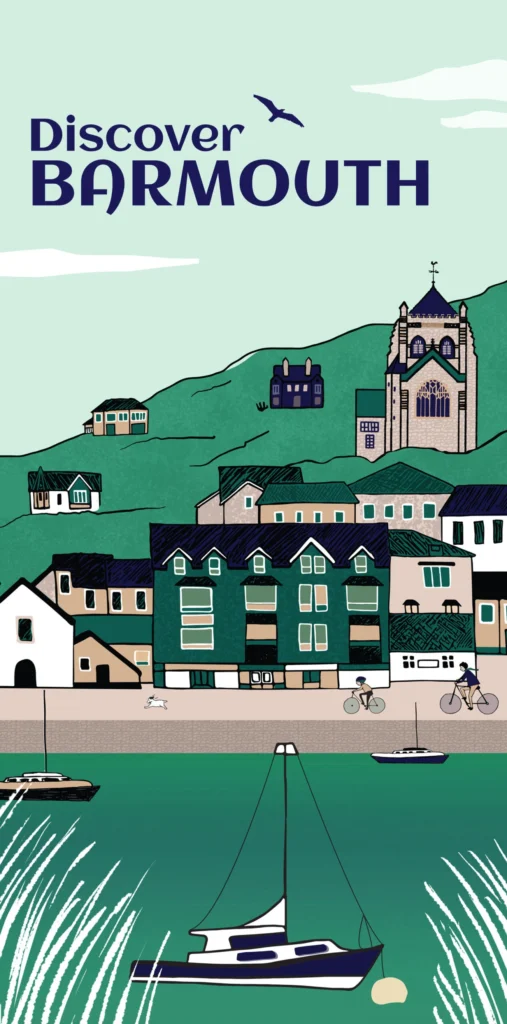
Poster and interpretation board for Hughenden Manor
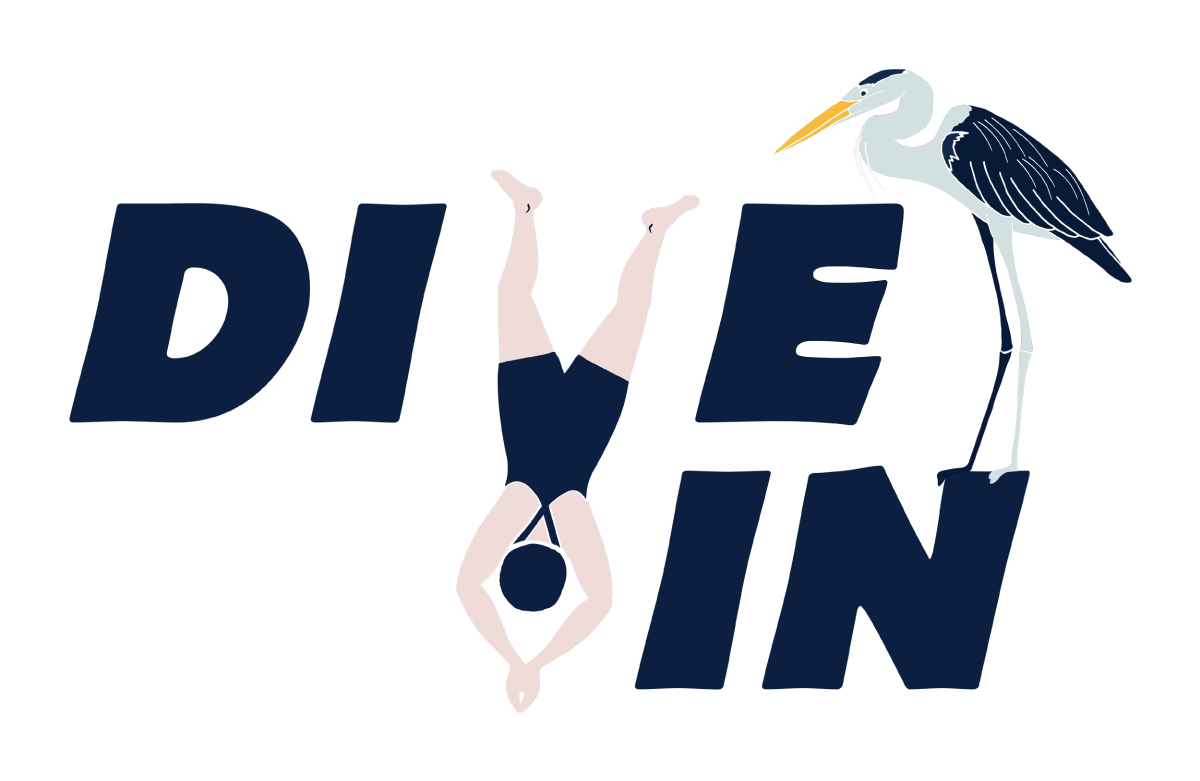
Exhibition logo for Dive In at the Museum of Oxford
3. Think about the working relationship
Illustration is a collaborative process. You’re not simply buying a set of finished pictures; you’re working with someone who will need to understand your project, ask questions and make creative decisions along the way.
Think about the kind of input you need. Do you want someone to interpret a well-defined brief, or would you value help developing the idea itself? Is research an important part of the project? Will the illustrator need to work with your team, designers, writers or other specialists?
It’s worth looking at how an illustrator describes their process and what previous clients say about working with them. Testimonials can give you a sense of their communication, reliability and ability to respond to feedback.
A good working relationship makes a difference, particularly when a project involves unfamiliar material, several stakeholders or a few rounds of development.
4. Give the illustrator a clear brief
You don’t need to have every detail worked out before making an enquiry. In fact, part of an illustrator’s role may be to help you work through the possibilities.
However, the clearer you can be about the project, the easier it will be for them to understand what you’re asking for and prepare an accurate quote.
Useful information includes:
- The project: What are you making and what role will illustration play?
- The audience: Who needs to engage with it?
- The subject: What information, stories or themes need to be communicated?
- The scope: How many illustrations do you anticipate? Are there particular scenes, characters, objects or locations to include?
- The applications: Where will the illustrations appear – in print, online, on site or across several formats?
- The timeline: When do you need the work and are there any important project milestones?
- The budget: If you have a budget in mind, sharing it can help the illustrator suggest an appropriate approach.
Reference material is useful too. This might include existing branding, photographs, research, written content or examples of illustration you like. You don’t need to provide a complete visual solution: that’s part of what you’re commissioning the illustrator to develop.
5. Understand pricing and licensing
Illustration fees aren’t simply a matter of how long an image takes to draw. They usually reflect a combination of creative work, research, complexity and how the illustrations will be used.
Illustrators generally retain the copyright to their work and grant the client permission to use the illustrations under agreed licensing terms. The licence might cover particular applications, territories, audiences and periods of use.
For example, an illustration commissioned for a one-off event poster has a different scope of use from a set of images forming part of an organisation’s identity across its publications, website and wider communications.
It’s worth discussing these requirements at the beginning so that the fee reflects what you actually need. If your budget is limited, you might start with a smaller set of illustrations or a more focused licence, with the option to commission additional work or extend the usage later.
A good illustrator should be able to explain the options and help you find an arrangement that works for your project.
A final thought
The best illustration commissions start with a conversation. You don’t need to arrive with all the answers or know exactly what the finished images should look like.
A clear sense of what you’re trying to achieve, an understanding of your audience and an openness to creative input are a good starting point. From there, an illustrator can help you work out what is possible and how illustration can make a meaningful contribution to your project.

Have a project in mind?
I work with museums, heritage organisations, publishers and universities on maps, interpretation, books and branding.